What the 2026 World Cup Can Teach Us About Britain’s Renewable Energy Future
Sandy Kirkpatrick • July 20th, 2026When England kicked off their 2026 FIFA World Cup campaign, millions of fans across the UK switched on their televisions, put the kettle on and gathered with family and friends to watch the tournament.
For the UK’s electricity network, however, this moment represents far more than a major sporting occasion.
Prior to England’s first match, the National Energy System Operator (NESO) forecasted an 800MW surge in electricity demand – an increase even greater than the demand spike recorded during the 1966 World Cup Final. It is a powerful reminder of the unique challenges faced by those responsible for keeping Britain’s lights on during nationally significant events.
What makes this tournament different is not the scale of the demand but how that demand will be met.
NESO expects around 40–50% of the electricity powering Britain during the tournament to come from renewable sources, demonstrating just how dramatically the country’s energy mix has changed over the past decade.
Not long ago, demand spikes of this nature would have relied heavily on coal and gas-fired power stations. Today, wind farms, solar generation, battery storage and increasingly sophisticated grid management will play a central role in balancing the system and ensuring electricity is delivered reliably to homes and businesses across the country.
For landowners and renewable energy developers, this is more than an interesting statistic, it is tangible evidence of the growing importance of renewable infrastructure.
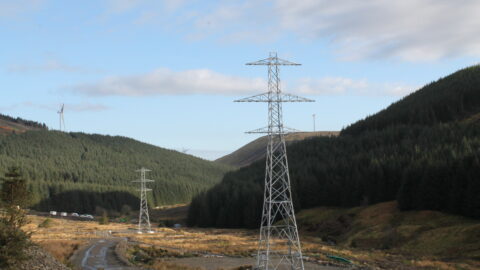
As renewable generation continues to increase, so too does the need for investment in grid capacity, battery storage, substations and transmission infrastructure. Every new wind farm or solar project requires a network capable of transporting clean electricity to where it is needed most.
This is why investment in Britain’s electricity grid has become such a national priority. Recent announcements from NESO outlining plans for significant transmission upgrades reflect the reality that the future of renewable energy depends not only on generating clean electricity but also on building the infrastructure that supports it.
The 2026 World Cup offers a fascinating snapshot of Britain’s energy transition in action. Behind every goal, every celebration and every half-time cup of tea will be an electricity network increasingly powered by renewable energy, quietly demonstrating that the UK’s journey towards a cleaner, more resilient energy system is already well underway.
For those involved in renewable energy, whether as landowners, developers or investors, that’s a trend worth watching long after the final whistle.
Looking to promote your land, sites or projects to active Renewable Developers and Investors? Sign up for free here.