Great British Grid: Could Better Connections Unlock More Renewable Energy Projects?
Sandy Kirkpatrick • October 8th, 2026The UK Government has unveiled Great British Grid, a new publicly owned body designed to accelerate investment in Britain’s electricity network and tackle one of the renewable energy sector’s biggest challenges: getting connected to the grid.
For landowners and renewable energy developers, that could prove far more significant than simply building more power lines.
Grid capacity is holding projects back
Britain has no shortage of potential renewable energy sites. The difficulty is increasingly whether projects can secure a viable grid connection.
Wind, solar and battery storage developments can face lengthy connection delays, while a seemingly ideal parcel of land may prove commercially unattractive because the local electricity network lacks sufficient capacity.
Great British Grid is intended to help change this.
Working alongside existing network operators, the new body will invest public capital alongside private investment to accelerate network upgrades and connections. The Government is also proposing expanded self-build connections, giving developers greater scope to construct their own connections rather than waiting for network companies to deliver them.
Why does this matter to landowners?
For landowners, an electricity network with more capacity could potentially bring more land into consideration for renewable development.
Land that is currently too constrained, too expensive or too difficult to connect shouldn’t automatically be assumed to become viable, but as substations are upgraded, new transmission infrastructure is constructed/upgraded and additional capacity becomes available, the geography and feasibility of renewable development can change.
And the opportunity extends beyond hosting wind turbines or solar panels.
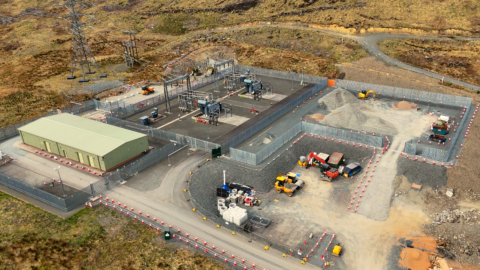
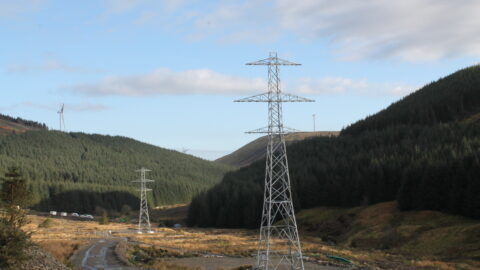
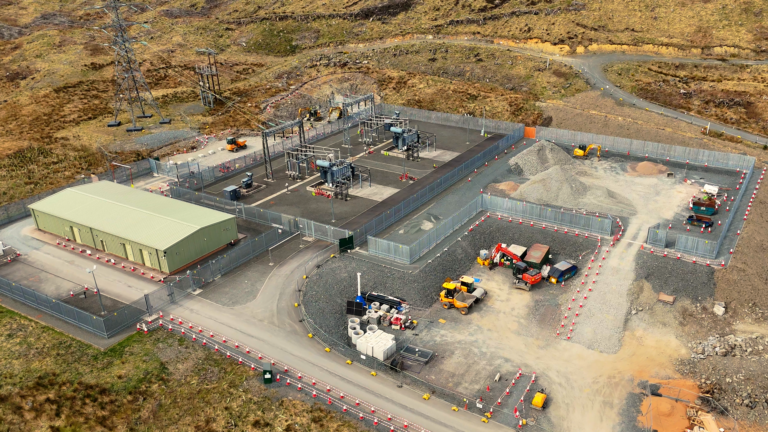
Expanding the network itself requires land for substations, battery storage, overhead lines, underground cables and associated infrastructure.
For strategically located landowners, understanding where Britain’s electricity network is heading could therefore become increasingly important.
What does it mean for developers?
For developers, faster connections could remove one of the biggest barriers to bringing projects forward.
The Government has already been reforming the connections queue, including removing more than 300GW of speculative capacity. Great British Grid adds another piece to that process: increasing investment in the physical infrastructure needed to connect viable projects.
There are still important unknowns. Great British Grid’s long-term budget has not yet been set, and grid investment will not remove planning, environmental, land or commercial constraints overnight.
But the direction is significant.
Britain doesn’t simply need more renewable energy projects. It needs the grid infrastructure capable of connecting them.
For landowners and developers alike, Great British Grid could help unlock opportunities that previously struggled to get beyond the drawing board.
Ready to take action?
Could your land play a role in Britain’s changing energy network? Go to the Renewables Connect website to list your land, discover renewable energy opportunities and stay informed about developments across the UK energy market.